What Is an Emergency Fund and How Much Should you have?
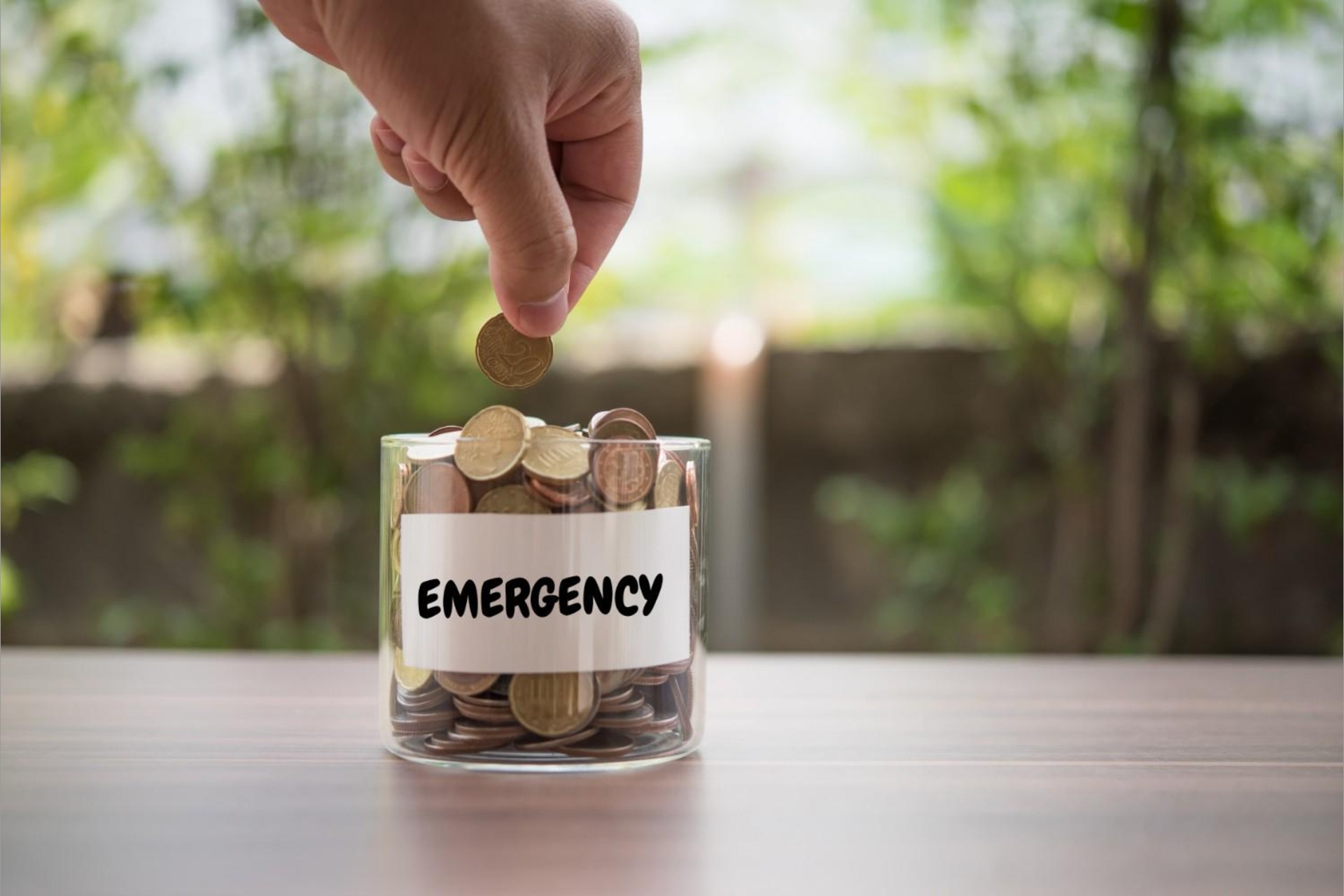
Life is unpredictable — one moment, everything’s running smoothly, and the next, you’re hit with a sudden job loss, medical emergency, or unexpected expense. In a country like India, where most people live pay cheque to pay cheque, an emergency fund can be your financial lifesaver.
It’s not just about saving money — it’s about building a safety net that protects you and your loved ones when life throws surprises your way. Let’s understand what an emergency fund is, why it’s crucial, how much you should have, and where to keep it.
What Is an Emergency Fund?
An emergency fund is a pool of money set aside specifically to handle unforeseen expenses or financial emergencies. This could be due to job loss, medical bills, car repairs, or natural calamities — basically, anything unexpected that demands immediate financial attention.
The key rule: Don’t use your emergency fund for lifestyle expenses, vacations, or shopping.
In India, where a majority still lack financial cushioning, having an emergency fund ensures you don’t have to depend on loans, credit cards, or family help when trouble hits.
Why Is an Emergency Fund Crucial?
Unlike some countries, India does not have a strong social security system. That means, in tough times, you are your own safety net. An emergency fund acts as your financial shield against life’s uncertainties. Here’s why it’s essential:
1. Covers Medical Emergencies
Healthcare in India is expensive, and medical inflation is around 14% per year. An emergency fund helps you manage hospital bills without debt.
2. Protects You During Job Loss
Layoffs or salary delays can happen anytime. Having 6–12 months of expenses saved gives you time to recover without financial stress.
3. Helps in Natural Disasters or Accidents
Floods, cyclones, or accidents can disrupt life suddenly. Your fund ensures you can handle repair or relocation costs comfortably.
4. Prevents High-Interest Debt
Without savings, people rely on credit cards or loans charging up to 36% interest. An emergency fund helps you stay debt-free.
5. Reduces Financial Stress
Knowing you have backup money brings peace of mind and confidence to handle any crisis calmly.
6. Secures Your Family
If you support dependents, this fund ensures their essential needs — rent, school fees, or medicines — are always covered.
7. Protects Long-Term Investments
You won’t need to break FDs or sell mutual funds during emergencies, letting your long-term wealth grow undisturbed.
How Much Should Your Emergency Fund Be?
The ideal emergency fund size depends on your income, lifestyle, dependents, and job stability. Here’s how to calculate it step-by-step:
1. General Rule of Thumb
- Single individuals: Save at least 6 months of living expenses.
- Families or dependents: Target 9–12 months of expenses.
- Self-employed or freelancers: Keep 12 months or more, due to irregular income.
2. Calculate Your Monthly Expenses
Include all essentials like rent/EMI, groceries, utilities, transportation, insurance, and school fees.
Example:
If your monthly expenses are ₹50,000, you should aim for:
- Single: ₹3,00,000 (6 months)
- Family: ₹4,50,000–₹6,00,000 (9–12 months)
3. Factor in Realities
- Medical inflation: Healthcare costs rise at 14% annually — faster than general inflation.
- Job instability: If your sector is volatile, save toward the higher end.
- Dependents: Include expenses for parents, children, or anyone relying on you financially.
4. Start Small, Scale Up
Building a large emergency fund takes time.
Begin with a modest goal — say ₹50,000 or one month’s expenses — and gradually increase it monthly until you reach your target.
Where Should You Keep Your Emergency Fund?
Your emergency fund should be liquid (easy to access), safe (low risk), and inflation-resistant (holds its value).
Here are the best options for Indians:
1. Savings Account
- Pros: Instant access, zero risk of capital loss.
- Cons: Low interest (2.5%–4%).
- Best for: Keeping 1–2 months’ worth of expenses for immediate emergencies.
2. Fixed Deposits (FDs)
- Pros: Safe, steady returns (5%–7%), flexible tenure.
- Cons: Penalty on premature withdrawal.
- Best for: 3–6 months of expenses.
3. Liquid Mutual Funds
- Pros: High liquidity, decent returns (6%–7%), low risk.
- Cons: Slight market risk, redemption may take 1–2 days.
- Best for: Funds you don’t need instantly but want accessible soon.
4. Sweep-in FDs
- Pros: Combines savings account flexibility with FD returns.
- Cons: Only available at certain banks.
- Best for: Balancing growth and accessibility.
Tip:
Split your fund — keep part in a savings account for instant access, and the rest in a liquid fund or FD for better returns.
How To Build Your Emergency Fund
Creating an emergency fund isn’t a one-time task — it’s a habit. Here’s a simple roadmap:
1. Assess Your Current Finances
Track your income and expenses to see where your money goes.
Cut down on non-essentials like frequent dining out or unused subscriptions.
2. Set a Monthly Savings Goal
Aim to save 10–20% of your income until your emergency fund goal is achieved.
Example: If you earn ₹1,00,000, save ₹10,000–₹20,000 each month.
3. Automate Your Savings
Set up an auto-debit or recurring deposit so savings happen automatically.
You can even start a SIP in a liquid mutual fund for discipline.
4. Leverage Windfalls
Received a bonus, tax refund, or festival gift? Add it to your emergency fund.
Example: A ₹50,000 Diwali bonus can accelerate your progress significantly.
5. Avoid Temptations
Label your fund account as “Do Not Touch – Emergency Only.”
Remind yourself that this money is for survival, not luxury.
Common Mistakes to Avoid
Even well-intentioned savers make errors with their emergency fund. Avoid these traps:
1. Not Having One
Many rely on friends, family, or personal loans during crises, leading to stress or debt traps.
2. Keeping Too Much
Saving beyond 12 months of expenses is excessive — it can hurt long-term wealth growth.
Invest surplus funds in mutual funds or stocks for better returns.
3. Using It for Non-Emergencies
A new phone, car upgrade, or vacation does not qualify as an emergency.
Set clear boundaries for what counts as a genuine emergency.
4. Ignoring Inflation
Parking the entire fund in a low-interest account erodes its real value over time.
Diversify across savings, FDs, and liquid funds to balance growth and safety.
Final Thoughts
An emergency fund is your financial first aid kit — it won’t make you rich, but it will protect your wealth, peace of mind, and dignity when life gets tough.
Start small, be consistent, and stay disciplined. Even saving ₹5,000 a month can eventually build a solid cushion that shields you from life’s uncertainties.
Frequently Asked Questions (FAQ) About Emergency Funds
1. What exactly is an emergency fund?
An emergency fund is a savings buffer kept aside to cover unexpected expenses such as medical bills, job loss, home repairs, or other financial emergencies. It prevents you from taking loans or using credit cards during crises.
2. How much emergency fund should I have in India?
A good rule of thumb:
- Singles: Save at least 6 months of living expenses.
- Families or dependents: Keep 9–12 months worth.
- Self-employed or freelancers: Aim for 12 months or more, since income can fluctuate.
3. Where should I keep my emergency fund?
Your emergency fund should be safe and easily accessible. Ideal options include:
- Savings account (for 1–2 months’ expenses)
- Fixed deposits (FDs)
- Liquid mutual funds
- Sweep-in FDs for better returns and easy access
4. How do I start building an emergency fund?
Start small — even ₹5,000–₹10,000 a month helps.
- Set a savings goal
- Automate transfers to a separate account
- Use bonuses or tax refunds to boost it
- Avoid touching it for non-emergencies
5. What counts as a real emergency?
Genuine emergencies include:
- Job loss or income interruption
- Medical emergencies
- Urgent home or vehicle repairs
- Natural disasters or unexpected travel for family crises
Expenses like vacations, gadgets, or shopping do not qualify as emergencies.
6. Should I invest my emergency fund?
No. The emergency fund should stay liquid and low-risk.
Avoid equity or long-term investments — instead, use savings accounts, FDs, or liquid mutual funds where money is safe yet accessible.
7. Is keeping too much in an emergency fund a mistake?
Yes. Keeping more than 12 months of expenses in cash or savings can limit wealth growth.
Once your emergency fund is ready, invest extra money in mutual funds, stocks, or retirement plans for better returns.
8. How often should I review my emergency fund?
Review it every 6–12 months or whenever your expenses change — like after a promotion, new loan, or additional family member. Adjust the fund size accordingly.











Post Comment