What Is Lifestyle Inflation?
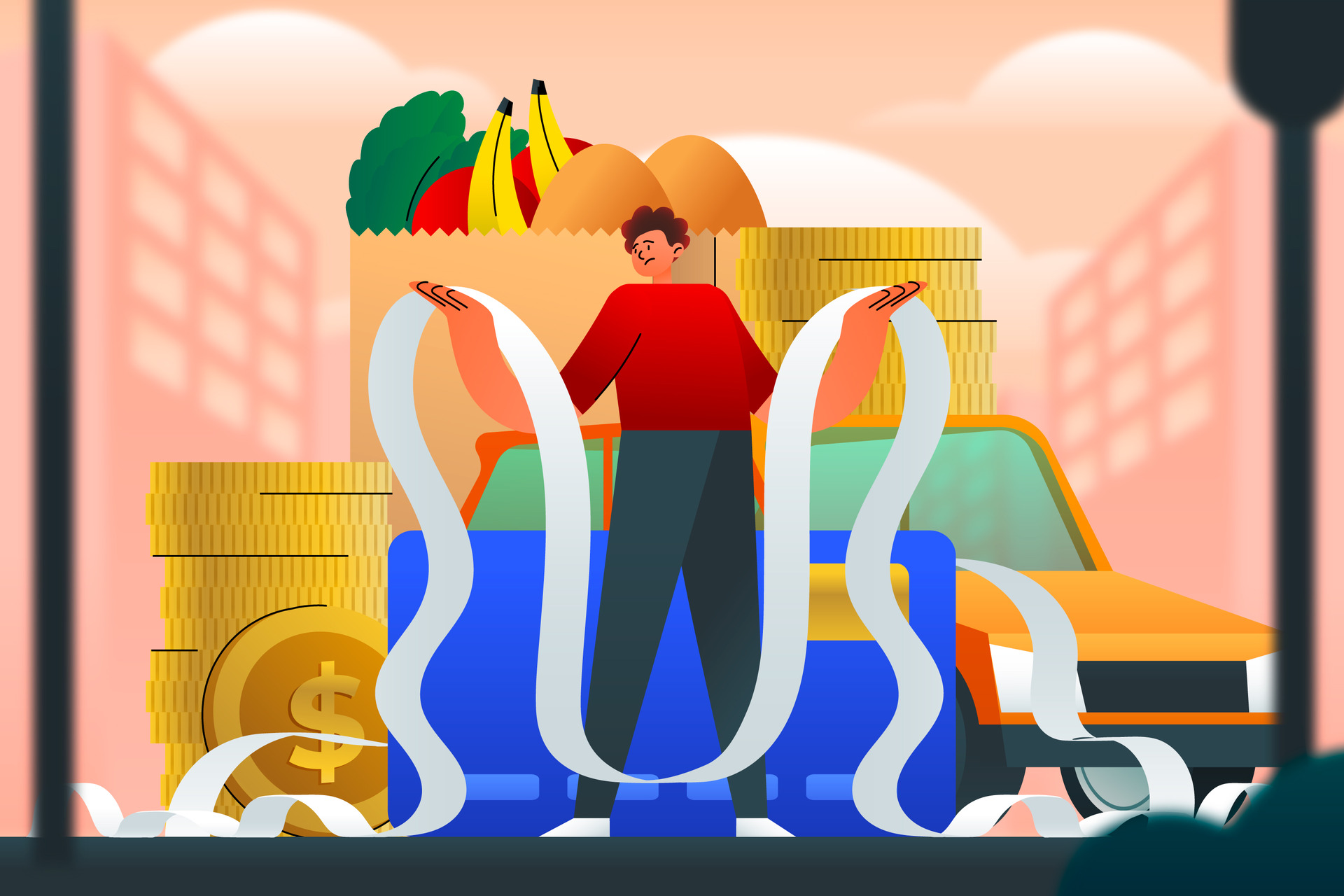
Lifestyle inflation refers to the tendency to spend more as your income grows. When people start earning more, they often upgrade their lifestyle—buying a bigger car, dining at better restaurants, or going on luxurious vacations.
While it’s natural to enjoy the fruits of your hard work, lifestyle inflation can quietly erode your financial security, especially after retirement when your income becomes fixed.
Let’s look at a relatable example.
Case Study: How Raj’s Rising Income Led to Lifestyle Inflation
Raj Mehta, a 33-year-old marketing professional in Pune, started his career a decade ago with a modest salary of ₹30,000 per month. Back then, he lived with two roommates, used public transport, and managed his monthly expenses within ₹20,000. He diligently saved the rest, even investing in a SIP.
Over time, Raj’s career took off. Today, he earns ₹2.5 lakh per month, owns a car, and lives in a 2BHK apartment. His lifestyle has upgraded significantly — weekend dinners at premium restaurants, frequent online shopping, annual international trips, and the latest smartphone every year.
At first glance, Raj’s lifestyle seems like the perfect reward for his hard work. But when he sat down to review his finances, he was surprised. Despite earning eight times more than he did in his early career, his savings had barely increased. His expenses had expanded with his income — that’s “lifestyle inflation”
Threat of Lifestyle Inflation in Retirement
Lifestyle inflation poses a serious threat during retirement because, unlike your working years, your income remains fixed while your expenses continue to rise. Without active earnings, every increase in spending directly eats into your retirement corpus — which is meant to last for decades.
Here are some common reasons lifestyle inflation occurs in retirement:
- Trying to Match the Lifestyle of Children or Peers:
Many retirees feel tempted to keep up with the modern, more luxurious lifestyle of their children or friends. This could mean frequenting expensive restaurants, upgrading gadgets, or gifting lavishly during family occasions. While it brings temporary satisfaction, it can strain limited retirement savings. - Frequent Upgrades in Gadgets, Vehicles, or Home Interiors:
With more free time and exposure to social media or advertisements, retirees often feel drawn to upgrade their living standards — whether it’s a new car, smart appliances, or redecorating the house. These expenses accumulate over time and impact long-term financial stability. - Rising Medical and Travel Expenses:
Healthcare costs naturally increase with age, and medical inflation in India currently exceeds 10% annually. Additionally, travel — especially to visit children abroad or for leisure — can become a recurring high-cost activity that wasn’t fully accounted for in the retirement plan. - Emotional Spending During Festivals or Family Visits:
Many retirees tend to overspend during festivals, weddings, or family reunions out of joy or emotional attachment. While these moments are precious, consistent overspending on gifts or celebrations can gradually weaken financial security.
The combination of lifestyle inflation and medical inflation can derail even a well-planned retirement. What begins as small indulgences can lead to significant financial gaps over the years. That’s why it’s crucial for retirees to strike a balance — enjoying their golden years without compromising long-term financial peace.
The Impact of Medical Inflation
Medical costs in India have skyrocketed over the past two decades, and healthcare inflation is now over 10% annually — much higher than general inflation. Here’s how costs have changed:
| Medical Treatment | 2004 | 2024 |
|---|---|---|
| Heart Bypass Surgery | ₹1.5 lakh | ₹5–6 lakh |
| Hip Replacement | ₹80,000 – ₹1 lakh | ₹2–3 lakh |
| Diabetes Management (Annual) | ₹10,000 | ₹30,000 – ₹50,000 |
| Cancer Treatment (Per Chemotherapy Session) | ₹10,000 – ₹15,000 | ₹30,000 – ₹1 lakh |
| Kidney Dialysis (Per Session) | ₹1,500 – ₹2,000 | ₹3,000 – ₹4,000 |
| Health Insurance Premiums (Annual) | ₹5,000 – ₹10,000 | ₹25,000 – ₹50,000 |
This shows how even essential healthcare expenses have become a major financial burden. Without adequate planning, medical costs can quickly deplete retirement savings.
How to Avoid Lifestyle Inflation
Avoiding lifestyle inflation doesn’t mean cutting joy out of your life — it’s about being intentional with your money. Here are some practical steps to help you maintain financial balance while still enjoying comfort and freedom:
- Track Your Expenses
Maintain a monthly budget and categorize your spending into needs, wants, and savings. Regularly reviewing where your money goes helps you identify unnecessary expenses before they spiral out of control. - Set Spending Limits
Fix a clear limit on discretionary expenses such as dining out, gadgets, or vacations. A good rule of thumb is to allocate no more than 20–25% of your income to leisure spending. This ensures your savings grow alongside your income. - Plan for Inflation
When planning long-term goals like retirement or children’s education, always factor in inflation—ideally 6–7% annually. This helps you stay realistic about future costs and ensures your financial plan remains sustainable. - Review Your Insurance
Rising medical costs can derail even the best plans. Review your health insurance regularly to ensure it covers current treatment costs and offers adequate protection against medical inflation. - Stay Invested
Don’t let higher income tempt you to relax your investment habits. Continue investing a portion of your income in diversified mutual funds, fixed deposits, or other income-generating options to keep your money growing faster than inflation. - Avoid Emotional Spending
It’s natural to want to celebrate milestones, but focus on meaningful experiences instead of expensive gifts or grand gestures. Joy doesn’t have to come with a price tag — celebrating with presence and gratitude often brings more fulfillment.
By following these steps, you can enjoy the rewards of your hard work without letting lifestyle inflation erode your financial future.
Key Takeaway
Lifestyle inflation is a subtle financial trap that can quietly erode years of careful planning. As incomes grow or life circumstances change, it’s easy to let spending rise without noticing. The key lies in developing mindful financial habits — understanding your priorities, setting boundaries, and making conscious choices that align with your long-term goals.
By keeping your lifestyle upgrades intentional and your savings consistent, you create a healthy balance between comfort and security. Ultimately, true financial freedom isn’t about how much you earn, but how wisely you manage and preserve what you have.
FAQs on Lifestyle Inflation
1. What is lifestyle inflation?
Lifestyle inflation refers to the gradual increase in spending as your income grows. As people earn more, they tend to upgrade their lifestyle — spending more on luxury, convenience, and leisure — often without realizing it.
2. Why is lifestyle inflation harmful?
It reduces your savings potential. Even with a higher income, if your expenses grow at the same rate, you end up with little or no additional wealth creation over time.
3. How can I recognize lifestyle inflation in my life?
If your income has increased but your savings haven’t, or if your monthly expenses keep rising without a clear reason, it’s a strong sign that lifestyle inflation has crept in.
4. How can I control lifestyle inflation effectively?
Start by tracking your spending, automating investments, setting spending limits, and avoiding emotional or status-driven purchases. Always ensure that your savings grow in proportion to your income.
5. Is lifestyle inflation common during retirement?
Yes. Many retirees experience lifestyle inflation when they try to match their children’s or peers’ lifestyles or spend more on travel, gifts, or medical needs. This can be risky since retirement income is usually fixed.
6. How does medical inflation relate to lifestyle inflation?
Medical inflation — the rising cost of healthcare — increases essential expenses, which, when combined with lifestyle upgrades, can severely impact financial stability, especially during retirement.
7. Can I still enjoy life while avoiding lifestyle inflation?
Absolutely. Avoiding lifestyle inflation isn’t about cutting joy from your life; it’s about finding balance — spending meaningfully, saving consistently, and ensuring financial peace for the future.











Post Comment